Manual therapy Zuerich
Targeted mobilization for greater mobility and freedom from pain
Manual therapy treats all functional disorders of the musculoskeletal system and was designed to mobilize restricted joint movement. We mobilize joints that are restricted in their movement, for example, after an operation or an injury. The muscles and the ligament-capsule apparatus are also treated. In addition, there are stretching and strengthening exercises as homework, in order to have a supportive effect on joint mobility, even alongside the therapy.
Physiotherapy Höngg
Physiotherapeutic manual treatment techniques
Why manual therapy?
Joints, soft tissues and nerves with restricted mobility are mobilized to relieve pain and restore mobility. Reacquired movement patterns are then stabilized and further built up with the help of targeted strengthening exercises.
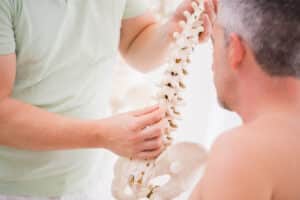
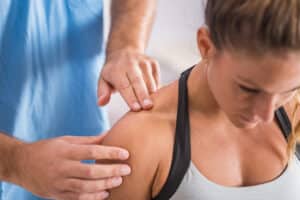
The term manual therapy combines various physiotherapeutic treatment approaches. Physiotherapists detect dysfunctions of the musculoskeletal system and then treat them. Before a treatment method is applied, they determine the extent to which joint mechanics or muscle functions are disturbed. They check the coordination of movement and ask the patient about pain conditions. Manual therapy uses special manual grip or mobilization techniques for individual treatment. The aim of these is to relieve pain and eliminate movement restrictions. Passive or active techniques or exercises are used. Both are intended to provide the patient with relief. The physiotherapist can use gentle manual techniques to mobilize restricted joints and show complementary physiotherapeutic exercises. These can stabilize unstable joints and body regions.
Manual therapy
What exactly is manual therapy?
The aim of manual therapy is to restore and harmonize the interaction between joints, muscles and nerves. The treatment methods of manual therapy are not always clearly distinguishable from one another. Identified dysfunctions, for example, can be remedied by manual loosening of the surrounding musculature and stretching exercises performed by the patient* him/herself. The number of treatment units required for this is defined on the one hand by the prescription. Usually nine times. On the other hand, the diagnosis, the severity of the symptoms and the success of the therapy determine the frequency and duration of the treatment. If necessary, a follow-up prescription can be issued. In this case, the relevant health insurance company covers the cost of treatment. The patient only pays a co-payment for each prescription. If someone wants to have manual treatment without a prescription by a trained physiotherapist because of acute pain, they must pay the costs themselves. With some insurances, the invoices for this can be submitted afterwards.
What methods does manual therapy use?
Essential principle of the manuel therapy is to free the patient's body from muscle or joint dysfunctions, tension or pain through specific movements with the hands.
The manuel lymphatic drainage is a complementary treatment option. It aims to drain accumulated lymphatic fluid from the body. Water retention in the extremities can be due to heart failure or lipedema.
Most treatment methods are gentle. Nevertheless, some patients are afraid of being confronted with a "setting" that is perceived as "brutal". However, this is rarely the case. Instead, joints with a dysfunction are mobilized by physiotherapists using appropriate hand movements. It is usually the Manual trigger point therapy or that Dry needling used or, if necessary, also to loosen the tissue by means of myofascial release techniques.
Manual therapy can also include stretching and relaxation techniques. Muscles, tendons and nerves around blocked joints are often involved in functional disorders. They can also be involved in the pain process. In addition, relieving postures can trigger tension and dysfunction elsewhere. With certain scar mobilization techniques, the physiotherapist can give the patient simple homework that quickly brings relief.Risks of manual therapy
Risks of manual therapy
Manual therapy is not an invasive treatment. Any pre-existing conditions or physical peculiarities must be taken into account. In some patients, for example, internal organs are positioned laterally reversed. Others have acute injuries, freshly healed bone fractures, burn scars or acute inflammations. These are often a contraindication for manual therapies. The same is true for osteoporosis, joint abnormalities, brittle bone disease and cancer. If treatment is nevertheless undertaken, the therapist may not use certain treatment techniques. During an initial consultation, we will discuss all possible risks together. You can rest assured that you are in good hands with us.
Frequently Asked Questions about Manual Therapy
Does manual therapy hurt?
Most techniques of manual therapy are gentle. Stronger gripping techniques are used only in rare cases, and even then, we always discuss this with you beforehand.
Do I need a prescription for manual therapy?
Typically, you need a medical prescription for the health insurance company to cover the costs. In the case of acute symptoms, treatment is also possible without a prescription; in this case, you bear the costs yourself.
How many treatments are necessary?
A prescription usually covers nine treatments. How many sessions you actually need depends on the diagnosis, severity, and treatment success; if necessary, your doctor will issue a renewal prescription.
What conditions is manual therapy suitable for?
Manual therapy helps with dysfunctions of the musculoskeletal system, such as limited joint mobility after surgeries or injuries. It is also particularly commonly used for Back pain used to release blockages and restore mobility to the spine.