
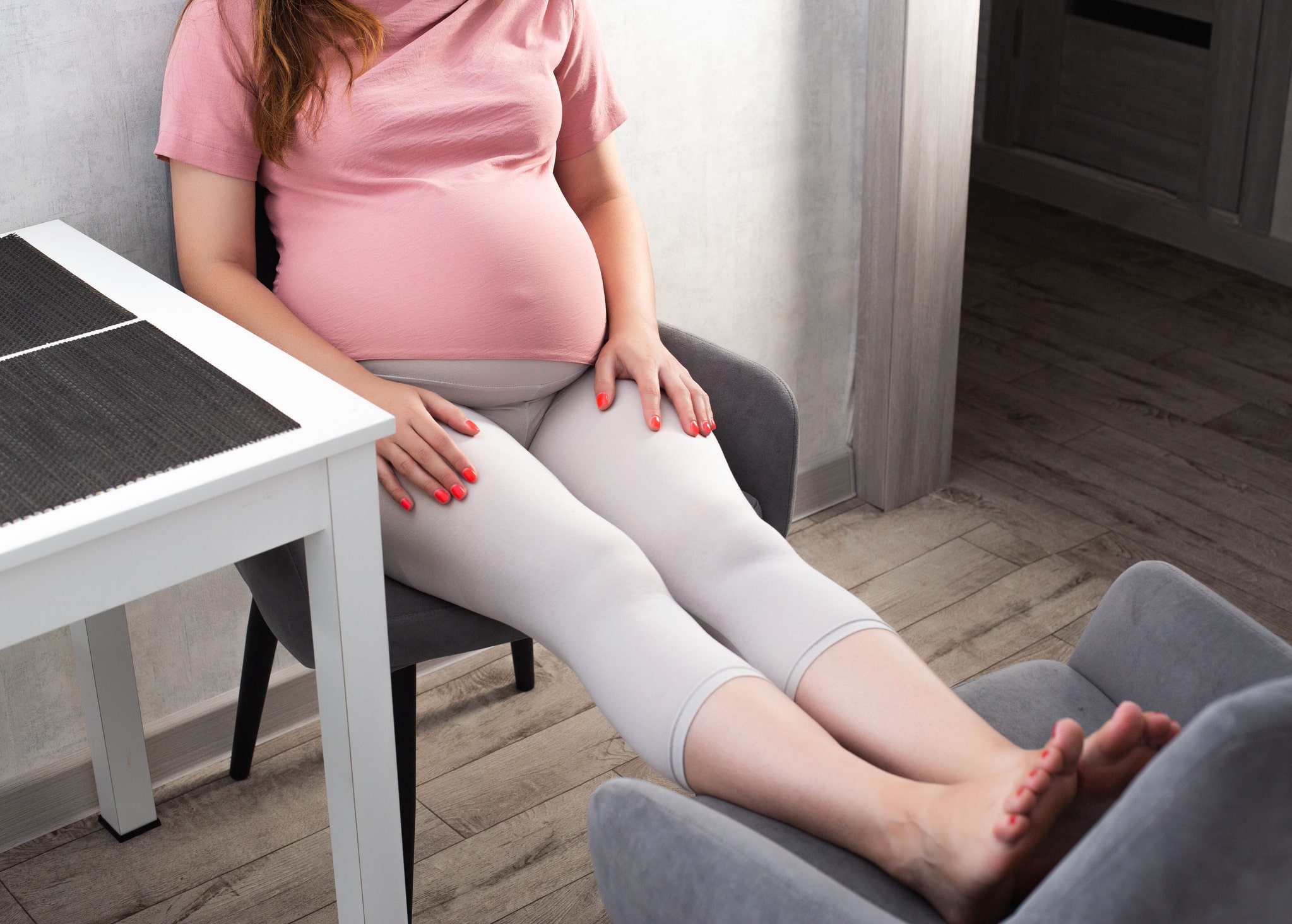
Lymphatic drainage during pregnancy for swollen legs
Pregnancy and swollen legs? Try lymphatic drainage.
Lymphatic drainage in the Pregnancy for your legs. Water retention during pregnancy is normal to a certain extent. However, if this makes you feel uncomfortable, it is advisable to consult a specialist. Why does this water retention occur and how can a Lymphatic drainage help during pregnancy? We will be happy to inform you!
Is water retention during pregnancy a cause for concern? Water retention of up to seven liters is considered normal during pregnancy. This extra water in the body is necessary to ensure a constant exchange of fluids with your unborn child via the placenta. This makes the skin appear firmer and small dimples may appear when pressure is applied to the feet and lower legs.
Why are my legs suddenly so swollen and heavy? Hormone levels change during pregnancy. Increased oestrogen levels lead to more fluid leaking from the veins into the surrounding tissue and accumulating there. This is known as lymphatic fluid or oedema.
This lymphatic fluid and the blood in our veins and arteries flow through the entire body back to the heart. During this time, the growing baby needs more space in the uterus and puts pressure on the pelvic vessels. This inhibits the outflow of blood and lymphatic fluid from the legs. Together with the force of gravity, this mainly leads to swollen legs.
How can lymphatic drainage help during pregnancy?Lymphatic drainage is used for pregnancy oedema in a similar way to conventional lymphoedema. The main difference is that abdominal drainage is omitted in order to minimize the risk of premature labour. Your therapist will give you comprehensive advice on this. You can find more information in our article on leg lymphatic drainage.
What is lymphatic drainage? Lymphatic drainage is a manual technique that aims to promote the drainage of accumulated lymphatic fluid and relieve swelling. This therapy involves gentle, rhythmic movements that support the lymph flow. Lymphatic drainage can be performed both by professionals and at home. The latter is particularly useful to maintain the effects of the sessions.
What can I do at home? From the second half of pregnancy, we recommend wearing class two compression stockings. These not only help with water retention and oedema, but also prevent thrombosis and varicose veins. More severe symptoms can be alleviated by lymphatic drainage. You can also do light exercises at home to promote lymph flow and elevate your legs to reduce swelling.
Women who already suffered from lymphoedema before pregnancy have an increased risk of it worsening due to the physical changes during pregnancy. In such cases, a regular manuel lymphatic drainage and compression stockings should be worn.
Manual lymphatic drainage during pregnancy
Lymph drainage during pregnancy: What the studies show
We want to be honest: There are currently no conclusive studies on lymphatic drainage during pregnancy. The Cochrane review on varicose veins and swollen legs during pregnancy (Smyth et al. 2015) found no studies on lymphatic drainage. In two small studies, reflexology massage on the feet and stays in water relieved the symptoms of swollen legs.
For you, this means that many pregnant women find lymphatic drainage to be pleasant and relieving. In addition, swimming or water gymnastics, lifting weights, and exercise can help. It is important that unusually severe or sudden swelling is first evaluated by a doctor.
Before and after results
Patients often report significant improvements after leg lymphatic drainage. This can be seen in the reduction of swelling and a general increase in well-being. Through continuous treatment and the Self-help tips for at home the condition can be stabilized and often improved in the long term. Water retention is normal to a certain extent. Lymphatic drainage during pregnancy is therefore a good way to improve your well-being.
What is abnormal pregnancy edema? Pathological pregnancy edema usually occurs in conjunction with gestosis in late pregnancy (Gestosis: pregnancy-related symptoms with no known cause). Affected women often suffer from kidney problems and high blood pressure. This leads to protein-poor edema throughout the body, in which up to 25 liters of fluid can be stored (for comparison: normal pregnancy can contain up to seven liters). Such edema is always first investigated by a doctor because it may indicate pregnancy poisoning (pre-eclampsia). Contact your gynecologist or urologist immediately. Lymph drainage and compression are only appropriate after a doctor has given the green light.
Lymphatic drainage nearby. To ensure optimal treatment, look for trained therapists who offer lymphatic drainage in your area. Professional lymphatic drainage ensures that the techniques are applied correctly and can give you valuable tips for self-treatment at home. We have specially trained Physiotherapists and many years of experience in the treatment of pregnant women.
When should you seek medical advice? In addition to the measures described above, it is important to contact your gynecologist immediately if you experience sudden, unilateral swelling, severe pain, redness, or overheating – these may be signs of thrombosis.
Also go immediately to the gynecologist, the obstetrician or to the emergency room if your face or hands suddenly become very swollen or if headaches, visual disturbances such as eye flickering, pain in the upper abdomen or nausea develop. These may be signs of preeclampsia.
Here you can find more information on our page about Manual lymphatic drainage (MLD): Lymphatic drainage
Book an appointment online or contact us for individual advice.
Also read: Symphysis pain during pregnancy: What really helps? and Back pain during pregnancy
Sources
- Smyth RM et al. (2015): Interventions for varicose veins and leg oedema in pregnancy. Cochrane Database Syst Rev. PubMed

Fall prevention: What studies actually show to be effective
Fall prevention from 65: Which exercises really prevent falls according to studies, how to assess your risk of falling…
Read more
Baker's cyst: Symptoms, causes, and treatment
Tension and swelling in the groin? What lies behind a Baker cyst and what can help you?
Read more
Morton Neuroma: Symptoms, Causes and Treatment
Burning between the toes? Symptoms, causes, and treatment in a Morton neuroma.
Read more
Trapped nerve: Symptoms, duration, and what really helps
Stinging, burning or tingling? What lies behind a pinched nerve, how long it takes and what really affects you...
Read more