


Causes of back pain
Back pain can have a variety of causes. It is often the result of a combination of different factors that impair the mobility and function of the back. The most common causes include
Muscle tension and strain: Lack of exercise, unusual workloads, stress, and poor sleep can contribute to back pain. Sitting posture and lifting are often cited as the main causes – however, the studies do not find a clear causal link. It is more important to stay regularly active and frequently change positions.
 Herniated discs: Intervertebral discs act as a buffer between the vertebrae. A herniation occurs when the inner material of the disc leaks out and presses on nerves. This can cause acute pain and sensory changes such as numbness or tingling.
Degenerative changes: Degenerative spondylolisthesis and spinal stenosis are some of the wear and tear conditions that can cause chronic back pain. As age increases, these changes often worsen, leading to persistent discomfort.
Spinal injuries: Accidents or falls often lead to injuries such as fractures or torn ligaments, which cause pain and restricted mobility. Sports injuries or traffic accidents are common causes.
Inflammatory diseases: Diseases such as ankylosing spondylitis can cause chronic inflammatory pain in the back. Such systemic diseases often require specialized treatment to control the inflammation and relieve the pain.
Symptoms of back pain
The symptoms of back pain can vary depending on the cause and severity. The most common symptoms include
Acute pain: Sudden, sharp pain that is aggravated by certain movements or postures. This pain can be so severe that everyday activities such as bending, lifting or even walking are considerably restricted.
Chronic pain: Long-lasting pain that can last for weeks or months. Chronic back pain can severely impair quality of life and often leads to sleep disorders and emotional stress.

Radiating pain: Pain radiating into the legs or arms can indicate a pinched nerve in the back Note. These radicular pains are often accompanied by sensory changes such as tingling or numbness.
Movement restrictions: Difficulty bending, turning or lifting. These limitations affect the ability to carry out everyday tasks and can severely restrict an individual's independence and mobility.
Muscle weakness and numbness: These symptoms may indicate nerve involvement and should be checked by a doctor to avoid serious neurological damage.
Treatment options for back pain
The treatment of back pain at Physio Waidfuss is based on the individual diagnosis and the specific needs of the patient. Proven treatment methods include
- Physiotherapy: Through targeted exercises and techniques to improve mobility and strengthen the muscles, the function of the back is optimized. Physiotherapy promotes mobility and helps you regain confidence in your back.
- Trigger point therapy IMTT®: This method relieves acute and chronic pain through manual treatment of Trigger points in the muscles. Targeted pressure application on trigger points can relieve tension and pain in the short term – however, the evidence is less strong than for active exercise.
- Manual therapy: Special hand movements and mobilization techniques to relieve pain and improve mobility. Manual techniques can improve the mobility of the spine and surrounding structures.
- Lymphatic drainage: Not necessary for ordinary back pain. It is useful in cases of swelling, for example after injuries or operations.
- Individual training programs: Customized exercise programs for the long-term stabilization and strengthening of the back muscles. These programs are tailored to the individual's needs and abilities and are regularly adapted.
In addition to the above treatment methods, it can be helpful to take a holistic approach to pain management. This can include relaxation techniques such as yoga or meditation, ergonomic counseling and lifestyle changes.
Why Physio Waidfuss?
Our experienced and Qualified team Physiotherapists place great emphasis on a patient-centered history and assessment. After a comprehensive evaluation, we create an individual treatment plan tailored to your specific needs and goals. We take the time to determine the exact cause of your symptoms and provide you with the best possible treatment. With our comprehensive range of treatment methods, we aim to enable you to live a pain-free life.
Our aim is not only to help you by treating your acute complaints, but also to give you the tools and knowledge to stay healthy and active in the long term.
Put your trust in our expertise and experience - your path to a healthy back starts here.
Back pain: What the studies show
- Mostly harmless: Back pain is the most common cause of limitations in everyday life worldwide. In almost all affected individuals, no single, definitive source of pain can be identified – serious causes such as fractures, tumors, or infections are rare (Hartvigsen 2018).
- Refrain from taking pictures, injecting yourself, and undergoing surgery: Guidelines recommend the economical use of medications, imaging, and surgery (Foster 2018).
- Staying active instead of lying in bed: In the case of acute back pain, it is somewhat better to remain active than to lie in bed (Dahm 2010).
- Training works: In the case of chronic back pain, exercise therapy is likely to reduce the pain more than no treatment or the usual treatment (Hayden 2021).
- Walking prevents relapses: A guided walking program significantly extended the pain-free period until the next relapse (Pocovi 2024).
- Understanding and moving again: Cognitive-functional therapy – a combination of education, exercise training, and everyday activities – brought about significant and lasting improvements in chronic, severely limiting back pain (Kent 2023).
- Posture and lifting: There is no clear evidence for posture, lifting, or physical strain as a cause of back pain (Swain 2020).
Self-help: What you can do yourself
Stay active despite the pain, avoid long periods of bed rest, and alternate between sitting and standing regularly, strengthening your core muscles with the exercises shown below.
When should you see a doctor or go to physical therapy?
Seek prompt medical evaluation if the pain radiates into the leg, numbness or loss of strength occurs, or problems with bladder or bowel control exist. Go to the emergency room immediately if you suddenly experience numbness in the genital or groin area or paralysis. Also have your back pain evaluated by a doctor after a fall or accident, with fever, unintentional weight loss, severe nighttime pain at rest, or a history of cancer. Such serious causes are rare, but should be ruled out.
You can read about how physiotherapy for back pain works in our practice and when the health insurance company pays for it on the page. Physiotherapy for back pain in Zurich.
Sources
- Hartvigsen J et al. What low back pain is and why we need to pay attention. Lancet 2018
- Foster NE et al. Prevention and treatment of low back pain: evidence, challenges, and promising directions. Lancet 2018
- Dahm KT et al. Advice to rest in bed versus advice to stay active for acute low-back pain and sciatica. Cochrane 2010
- Hayden JA et al. Exercise therapy for chronic low back pain. Cochrane 2021
- Pocovi NC et al. Walking, education, and physiotherapy to prevent recurrence of low back pain (WalkBack). Lancet 2024
- Kent P et al. Cognitive functional therapy with or without movement sensor biofeedback versus usual care for chronic, disabling low back pain (RESTORE). Lancet 2023
- Swain CTV et al. No consensus on the causality of spine postures or physical exposure and low back pain. J Biomech 2020
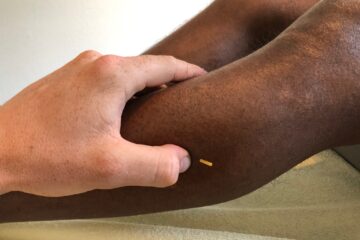
Dry needling explained: when and why it helps
Discover the latest trends in Dry Needling Effect of Dry Needling: This is how the needle helps with muscle pain. With Dry Needling, we use fine needles to target tense muscle areas,…
Read more
Flossing during scar treatment: What it can and cannot do
Physiotherapie Waidfuss in Zurich are your experts Have you ever heard of flossing? This innovative physiotherapy technique is becoming increasingly popular,...
Read more
Headaches - What to do? Causes and solutions
Who is affected by headaches? Headache is a widespread phenomenon that affects people worldwide. According to a large global evaluation (Stovner et al. 2022)…
Read more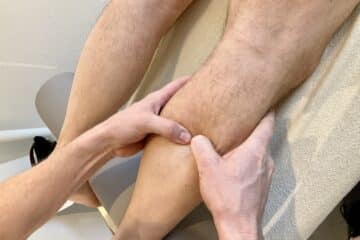
Fascia therapy - tasks and influence on pain
The connective tissue is often to blame - in short, the fasciae or the muscles. So-called myofascial trigger points. We are trained to treat all fascia problems in Zurich...
Read more