
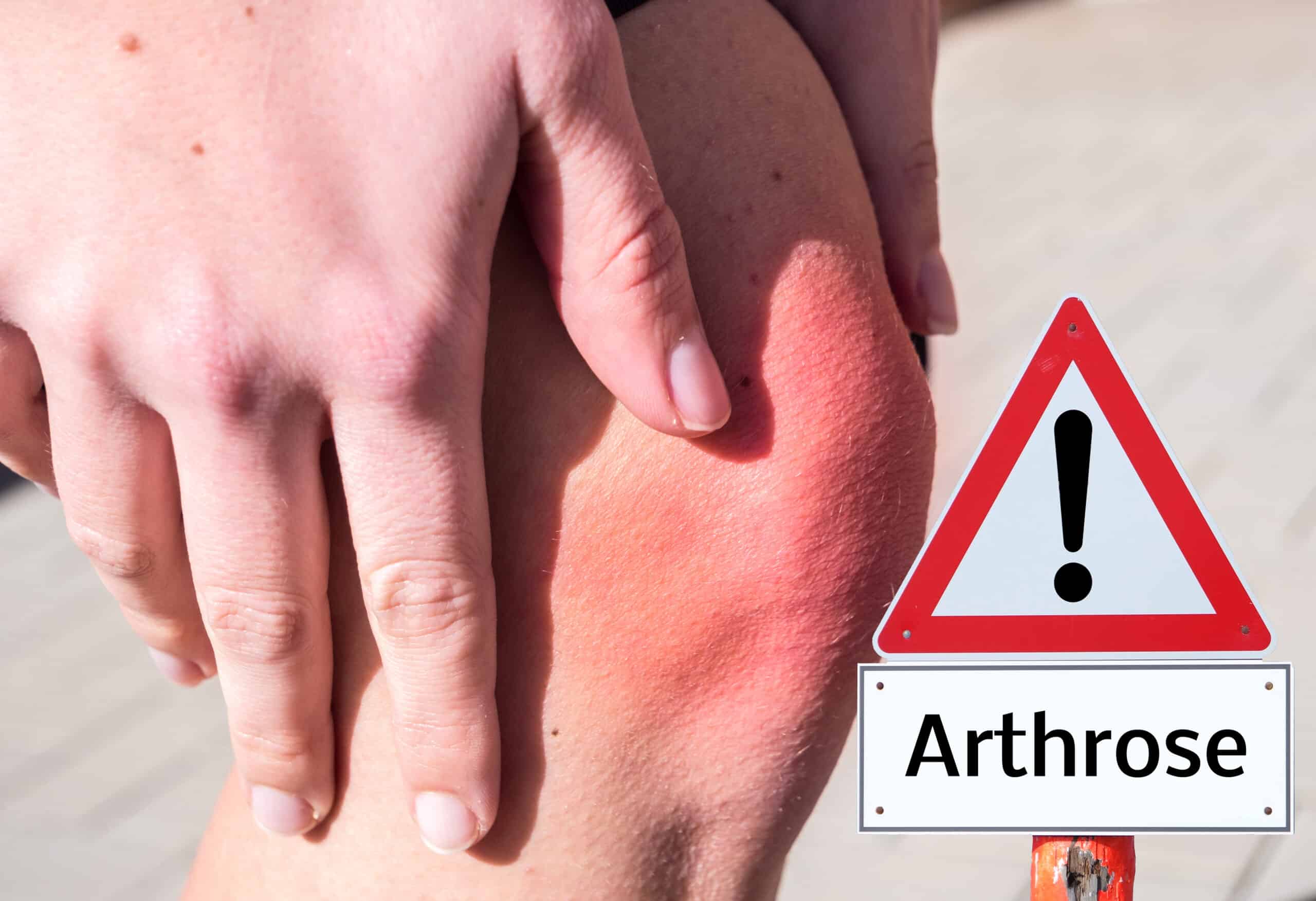
Everyday practical tips: Instant relief for your joints
The sponge principle: How to nourish your joints
Many patients with Knee osteoarthritis or hip pain tend instinctively to adopt a protective posture. They try to avoid putting weight on the joint. But that is precisely the wrong approach. Why? Imagine your articular cartilage like a sponge.
It possesses no blood vessels of its own. To obtain nutrients, this „sponge“ must be compressed (under load) and released again. 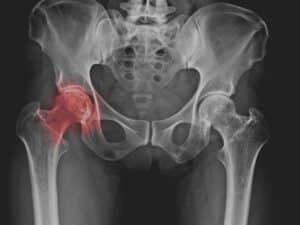 relief.
-
Under load waste products are squeezed out of the cartilage.
-
Upon discharge it soaks up fresh, nutrient-rich synovial fluid.
If movement is lacking, the cartilage literally dries out. Targeted, physiotherapeutically supervised Muscle buildingworks here in a twofold way: It pumps nutrients into the joint and builds a muscular shell that acts like a natural shock absorber works and relieves pressure on the bony structures.
Everything is connected: The holistic view of your body
In therapy, we never look at the painful joint in isolation. Our body is a masterful compensation system. If your hip due to Joint wear loses mobility, another joint must compensate for this missing mobility.
Typical cause-and-effect chains look like this in everyday life:
-
A blocked hip forces the lumbar spine to make compensatory movements.
-
The knee suddenly has to absorb rotational forces it wasn't built to handle.
-
Self Shoulders and neck often become chronically tense because the body tries to compensate for an uneven gait when climbing stairs by using the torso and shoulder girdle.
Um to sustainably relieve hip osteoarthritis pain, so we also need to stabilize the torso and restore the mobility of the thoracic spine or shoulders.
Neurocentric training: When the brain hits the brakes
A cutting-edge approach that plays a central role in our treatment is the neurocentric training. Movement and pain do not originate primarily in the joint, but are controlled by your nervous system and your brain.
Pain is basically a warning signal from your brain. When the brain classifies a movement (e.g., deep knee flexion) as „unsafe,“ it sends pain signals and tenses the muscles extremely to protect the joint. Through targeted neuroathletic exercises, we feed precise information back to your nervous system. When the brain realizes: „I have control over this joint“, it shuts down the alarm system – the pain subsides, and mobility returns.
Should the muscular tension around the joint be extremely stubborn, invasive methods such as the Dry needling to be utilized. This is always used in an objective, explanatory manner and solely as a supportive component to give the tissue the necessary basic relaxation for active training.
Self-help: Everyday practical tips for your joints
To put the theory directly into practice, we have here two everyday practical tips for you, which integrate effortlessly into any daily routine:
-
Daily Practical Tip 1: The „sponge activation“ before getting up. Before getting out of bed in the morning, bend your legs and gently "pedal" in the air for 30 to 60 seconds. This stimulates the production of synovial fluid, nourishes the cartilage, and makes taking that first step out of bed significantly easier.
-
Daily practical tip 2: The micro-pendulum at the desk. Do you sit in the office for a long time? Let your legs swing back and forth loosely and alternately under the desk. This movement without heavy weight load is pure care for irritated knee joints and prevents the capsule from „rusting“ over the course of the day.
When should you get it checked by a doctor?
Exercise usually helps a lot with arthritis – however, in the following cases you should have it checked by a doctor or physiotherapist as soon as possible: in the case of sudden, severe swelling and redness of the joint, in the case of fever combined with joint pain, in the case of a joint that is blocked or "bent out of shape", or if the pain also increases significantly at rest and at night.
In addition to individual therapy, our Small group training, To maintain mobility in the long term.
Physical therapy for osteoarthritis - We accompany you on your journey
The diagnosis of osteoarthritis does not mean the end of an active life. With the right combination of manual therapy, targeted strengthening, and modern nervous system training, we can achieve a lot together.
Are you ready to actively stop the wear and tear and move around more freely again? The team at Physiotherapy Waidfuss We look forward to advising and supporting you personally in our practice in Zurich (Wipkingen/Höngg). Book an appointment online now – we will find the best way for your joint health together!
Physiotherapy for seniors Zurich Wipkingen
Active and pain-free in old age: Our physiotherapy for seniors in Zurich Wipkingen helps with osteoarthritis, back pain...
Read more
Hip joint arthrosis
Osteoarthritis of the hip joint - causes, symptoms and treatment options Osteoarthritis of the hip joint, known as coxarthrosis,...
Read more
Knee pain – Why it occurs and how you can relieve it
Everything you need to know about knee pain: Causes and treatment options Knee pain is a common...
Read more
Understanding shoulder osteoarthritis - symptoms and therapies
What is shoulder osteoarthritis? The shoulder joint consists of the humeral head and the glenoid cavity, both covered with cartilage.
Read more
Arthrosis – What you should know about the joint disease
What is osteoarthritis? Osteoarthritis is a widespread degenerative joint disease caused by the wear and tear of the cartilage tissue…
Read more