
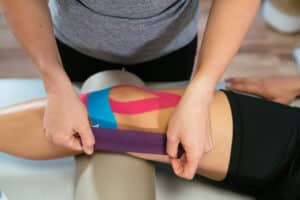
What is elastic tape?
It is a specially designed elastic band made of skin-friendly material that is applied directly to the muscles to activate sensory motor function and metabolism. Depending on the need, it can either have a detoxicating (calming) or tonic (activating) effect. In the tonicating application, it is attached from the muscle origin to the muscle insertion, while in the detoxicating application it is attached from the insertion to the origin. This technique allows for effective treatment of pain and movement limitations. The multicolored band has in many cases replaced the conventional white, inelastic sports tape. Although different colors are attributed different properties, there is no scientific basis for this.
There are numerous investment techniques that are selected after a comprehensive analysis of your specific problem, including:
- Muscle techniques
- Ligament techniquesto support the inner ligaments of the knee, for example
- Correction techniquesfor example to correct the kneecap
- Fascia techniquesfor example, to relieve the fasciae on the thigh
- Lymphatic techniquesfor better drainage of swelling after supination trauma, for example
- Neural techniquesfor example in the case of lesions, irritations and discomfort
- Functional tapingfor example, nerve tape for carpal tunnel syndrome
- Scar techniquesfor example to improve the elasticity of scars
The effect of the elastic adhesive tape
The elastic band activates the body's own self-healing powers and produces positive sensory effects on the skin and the entire body. It also promotes microcirculation, which increases lymphatic drainage and local blood circulation. The application stimulates receptors such as proprioceptors, which improves the feeling of movement and optimizes movement sequences. These effects can be particularly noticeable after 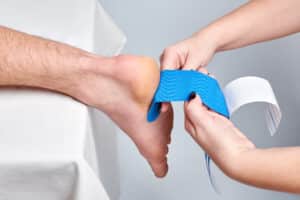 operations or sports injuries. The tape can also improve body statics by influencing muscle tone. A posture strap between the shoulder blades can help to correct an awkward posture at the desk, for example.
Influence on the lymphatic system
Lymphtape is ideal for minimizing swelling after acute injuries or operations. The primary aim after such procedures is to control swelling and inflammation. Lymphtape is often used in combination with lymphatic drainage, as both methods support each other positively. It is used in the head and neck area after jaw, nose or dental surgery, in the shoulder-arm area and on the chest after surgery or the removal of lymph nodes in the armpit. It is used on the trunk after radiotherapy or the removal of lymph nodes in the groin area to positively influence the scar and promote metabolism and healing.
What is sports taping?
Sport tape is a white, non-elastic adhesive tape that is used, for example, in competitions to quickly secure clothing. Physiotherapists is applied to stabilize a joint and enable the athlete to remain able to bear weight for a certain period of time. It should be removed after use. It can also be used preventively to avoid injuries such as ankle sprains.
When should it not be used?
The application should be avoided in certain situations, especially in acute or chronic skin diseases, malignant tumors, vascular pathologies, allergies, irradiated skin areas, or severe skin irritation after sunbathing. It is important to discuss these conditions with your therapist before using it.