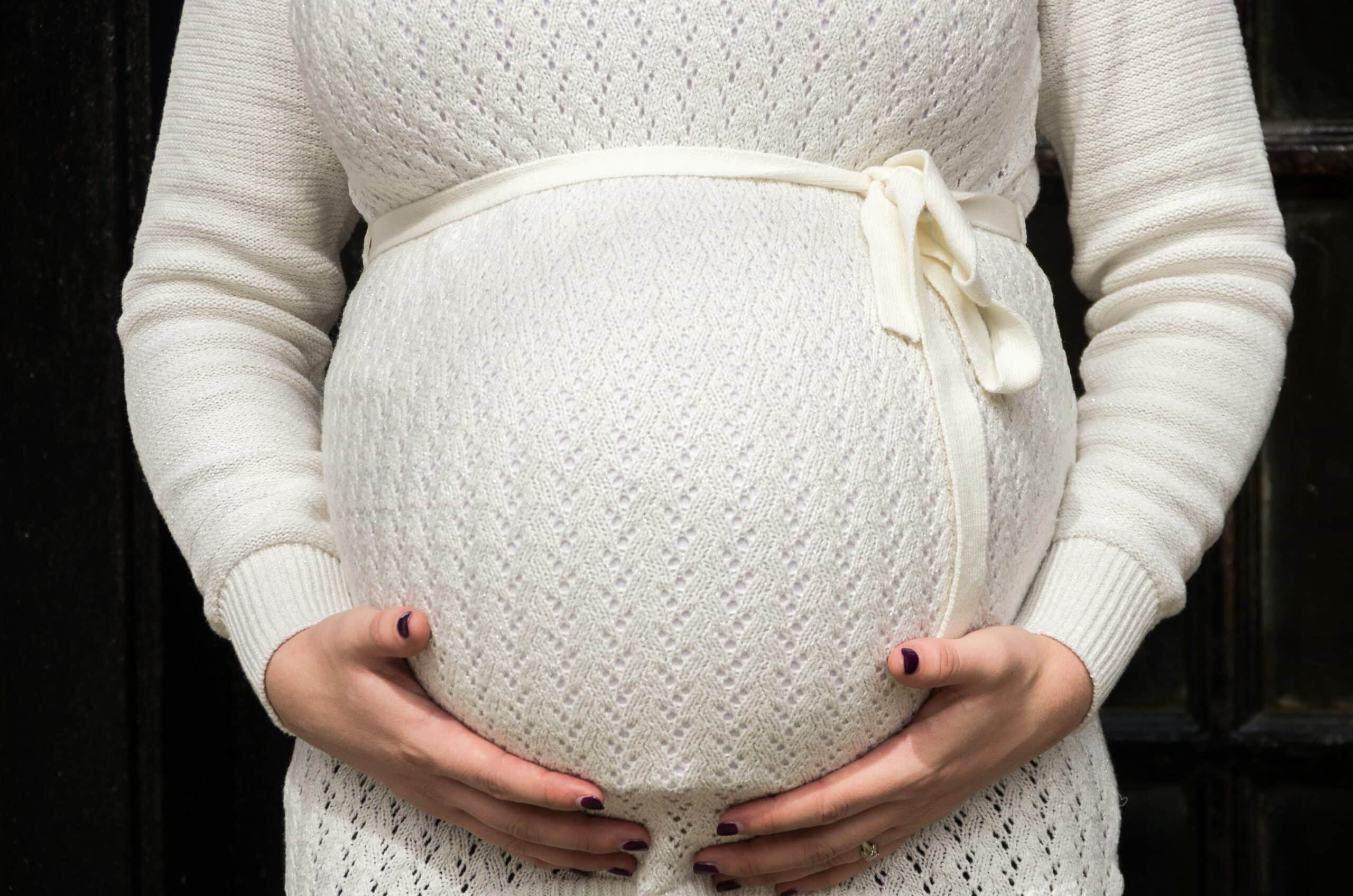
Why does the back hurt during pregnancy?
Several factors are at work simultaneously on your back:
- Shifted center of gravity: With an increasing belly, your posture changes, and the navel often becomes more prominent.
- Hormonal relaxation of the ligaments: The hormone relaxin makes ligaments and joints – including those in the pelvis – more relaxed, so that childbirth can be easier later on. This can simultaneously lead to instability and pain.
- Abdominal muscles under tension: The straight abdominal muscles stretch, causing the back muscles to have to do more stabilization work.
- Additional weight: Even a few extra kilograms can noticeably change the strain on the spine.
Typical symptoms are pain in the lower back, in the sacrum-coccygeal joint (SIC), or so-called symphysis pain in the front of the pelvis.
How we can help you in Wipkingen
Our approach during pregnancy is deliberately gentle but targeted:
- Findings and clarification: We look at which structures are affected and where the pain comes from – for example, low back pain requires a different approach than classic back pain.
- Manual techniques: Gentle mobilization and relaxation of the overstrained muscles, adapted to your trimester and your well-being.
- Targeted exercises: Stabilizing exercises for the pelvis and torso that you can also do at home.
- Tips for keeping and using it: Small adjustments in sitting, standing, and lifting that make a big difference in everyday life with office work or older children.
Swollen legs during pregnancy can also be a sign of Manual lymphatic drainage relieve stress.
When and how often should I go to physiotherapy?
There is no «too early» time – many pregnant women come to us for preventive care as early as the first trimester. Team, Only after the pain becomes noticeably noticeable in the third trimester should you start using other methods. In general, the earlier you start, the more likely it is that you can prevent the development of a habit of holding on or of one-sided strain. Additional lifting tips for everyday life can be found, for example, in swissmom.
What you can do yourself in everyday life to combat back pain during pregnancy
In addition to the treatment we provide, there are some simple habits that many pregnant women can adopt to relieve their symptoms:
- Using side sleeper pillows: A pillow between the knees relieves the pelvis and lower back noticeably at night.
- Change position more often: Standing or sitting for long periods of time often increases back pain even more. Short breaks with a change in position help.
- Flat, stable shoes: They give more stability and relieve the altered posture of the body.
- Standing up straight: Before getting out of bed to get up, turn to the side first and support yourself with your arms – this protects your back and pelvis.
These measures do not replace targeted physiotherapy, but can noticeably relieve the burden between appointments.
Frequently asked questions about back pain during pregnancy
Is physical therapy safe during pregnancy? Yes. We adjust the intensity and technique to your trimester and your condition. Please let us know in advance if you are experiencing a high-risk pregnancy or any complications, and consult with your gynecologist, obstetrician, or midwife.
What is the difference between back pain and symphysis pain? Back pain usually occurs in the lower back, while symphysis pain is located in the front center of the pelvis and often intensifies when climbing stairs or turning in bed. Both can be treated with physical therapy, but the approach differs.
Do I need a medical prescription? You can also come directly to us without a prescription and pay for the treatment yourself. With a prescription from your gynecologist or obstetrician, the basic health insurance covers the costs. From the 13th week of pregnancy until eight weeks after the birth, the franchise and self-pay fees are usually waived – ask your health insurance provider if you are unsure.
How long does it take for the pain to get better? This varies from person to person. Many pregnant women feel relief after one or two treatments, while others need ongoing support over several weeks.
When should I contact you immediately? In case of severe, sudden onset pain, bleeding, fever, regular contractions or pain that does not change with position changes, please contact your gynecologist, gynecologist or midwife immediately.
Your back deserves support – especially right now
You don't have to simply put up with back pain during pregnancy. Call us on 044 585 99 49 or Book your appointment directly online. The practice at Hönggerstrasse 118 is located right next to the Waidfussweg tram stop (tram 50); two parking spaces are available in front of the entrance.
Also read: Symphysis pain during pregnancy: What really helps?