
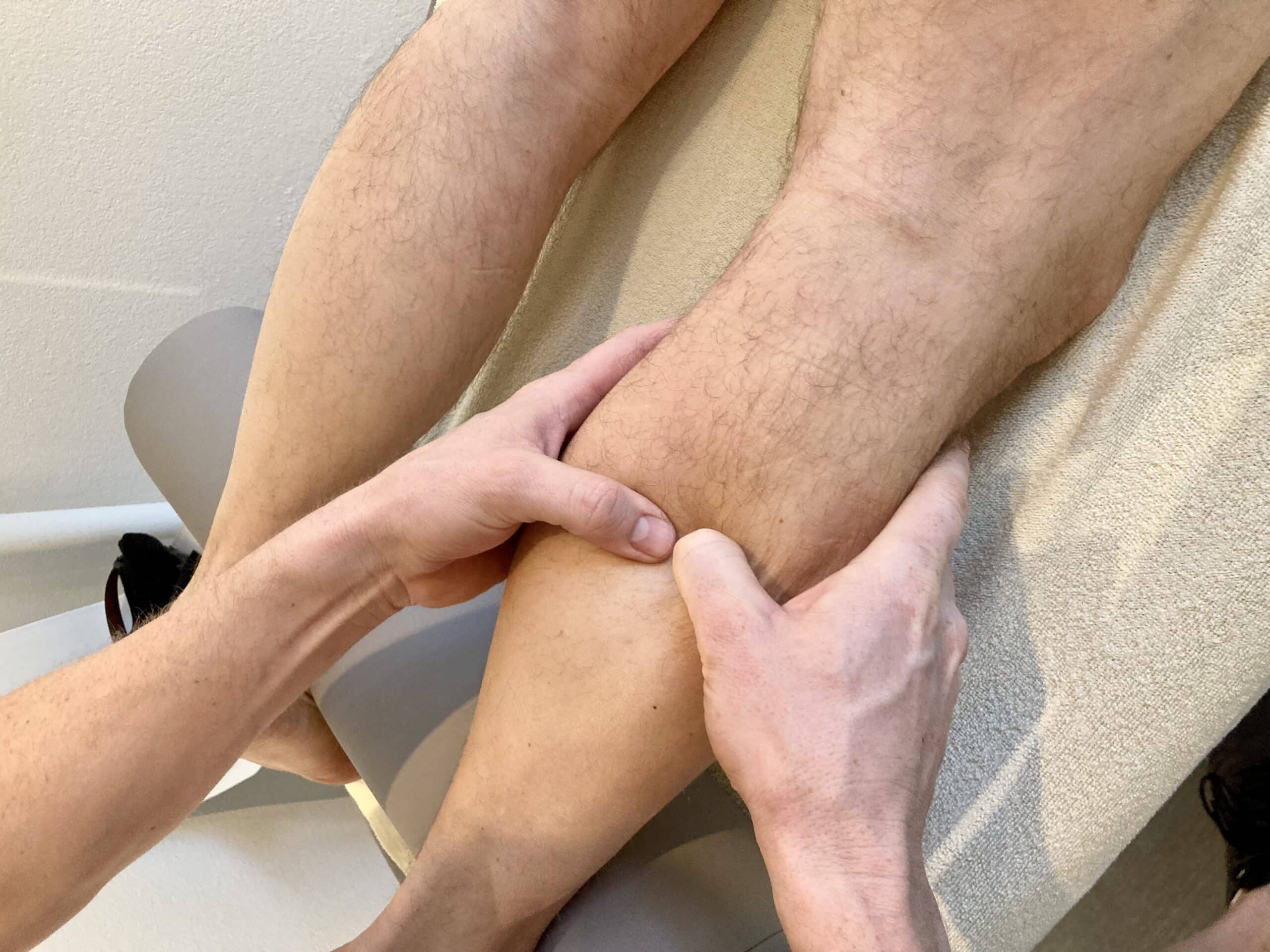
Fascia pain - What exactly are fasciae?
What tasks do fasciae have?
Fasciae fulfill numerous important functions in the body. One of their main tasks is to separate muscle groups from one another. They also enable the Flow of lymphatic fluid, waste products are removed from the cells. Fascia is rich in nerve endings and pain sensors, which means that it plays an important role in pain perception and movement.
In addition, fascia act as a kind of shock absorber and ensure that forces are distributed evenly during sudden movements or loads. As a result, they make a significant contribution to stabilizing the body. Fascia are also involved in the transmission of movement impulses and support coordination between different muscle groups.
Typical symptoms of fascial problems
- pain that is pulling and diffuse, and is difficult to localize
- Feeling of stiffness, especially in the morning or after prolonged sitting
- limited mobility
- detectable hardening or adhesions in the tissue
Why do fasciae hurt?
Fascia pain can be triggered by various factors. Lack of exercise, poor posture or psychological stress can cause fascia to stick together or harden. In this state, they are less elastic and can cause pain. If the fascia shortens or hardens due to a lack of blood flow, the elastic fibers are replaced by less elastic collagen. This can lead to muscle stiffness, limited mobility and joint pain.
Another problem is the so-called myofascial trigger points, small hardenings in the muscles and fascia that can often cause severe pain. These trigger points are often caused by overloading, injuries or poor posture.
How fascia and nerves work together
Fascia not only envelops muscles, but also organs, bones, and nerves. Due to this close interconnection, they are directly linked to our autonomic nervous system, which controls numerous unconscious bodily functions, including digestion and breathing. This connection explains why fascial pain is frequently triggered by stress and emotional strain.
Fascia is a complex organ that can adapt to different conditions, but is also sensitive to changes. Stress and tension can cause the fascia to contract and stick together, which in turn leads to pain. On the other hand, relaxation techniques and targeted movement exercises can help to relax the fascia and relieve pain.
Influence of nutrition on the fasciae
The structure and elasticity of the fascia are significantly influenced by so-called fibroblasts, which produce collagen fibers. A balanced diet plays a central role in maintaining healthy fascia. Complex carbohydrates, high-quality proteins, and sufficient fluids ensure that the fascia remain elastic and resilient. A healthy acid-base balance is also beneficial for fascia health.
Particularly important are nutrients such as vitamin C, which is essential for collagen production, and omega-3 fatty acids, which have an anti-inflammatory effect. Adequate hydration is also essential, as fascia contain a lot of water and can only maintain their elasticity this way. At least two liters of water or unsweetened tea per day should therefore be on the menu.

Rib fracture: healing, exercises and physiotherapy
How to recognize a broken collarbone, how long it takes for it to heal, and how physical therapy can restore shoulder and arm fitness…
Read more
Knee joint broken: healing, rehabilitation and physiotherapy
How to recognize a knee fracture, how long the healing process takes and how physiotherapy can help your knee recover…
Read more
Fractured midfoot bone: symptoms, healing and physiotherapy
How to recognize a midfoot fracture, how long the healing process takes, and how physiotherapy affects walking and endurance…
Read more
Wrist broken: healing, rehabilitation and physiotherapy
How long does it take for a broken wrist to heal, what you can do yourself, and how physiotherapy improves mobility and function...
Read more
Ankle fracture: healing, load bearing and physiotherapy
How to heal a broken ankle, when you can resume activities and how physical therapy improves walking, strength and stability…
Read more
Whiplash trauma: symptoms, self-help and physiotherapy
A rotational trauma usually occurs in a rear-end collision: The head is suddenly moved back and then forward…
Read more
Symphysis pain during pregnancy: What really helps?
Symphysis pain during pregnancy affects many women unexpectedly: a stabbing pain in the front of the thigh…
Read more
Tooth Grinding: Causes, Symptoms and How Physiotherapy Helps
Most people only notice teeth grinding when the dentist spots jagged edges or their partner notices it at night…
Read more