
The way back to sport in Zurich
Your path back to sports after a torn ligament
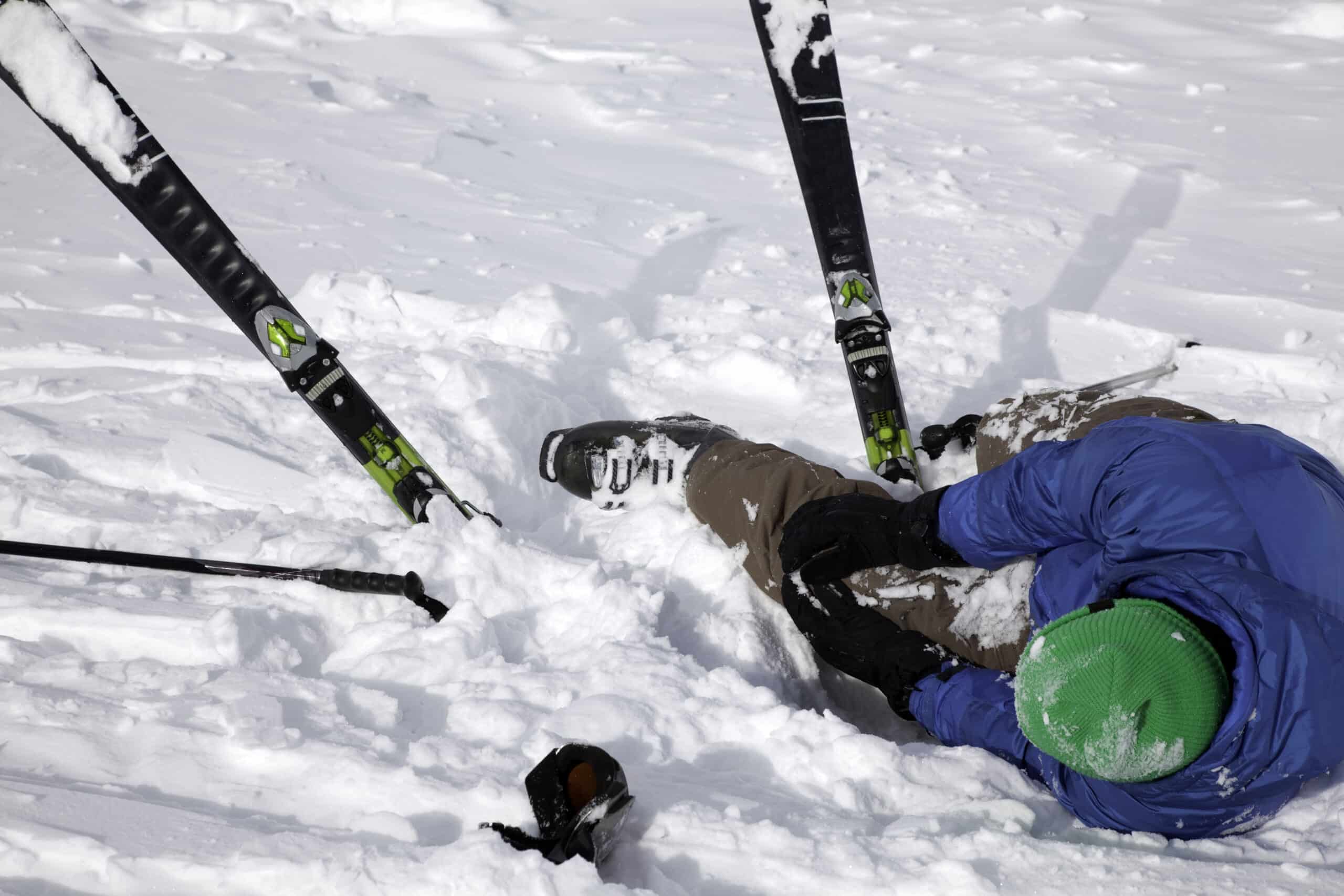
One wrong step, an abrupt turn, a cracking sound in the knee - and suddenly the world comes to a standstill for every ambitious athlete. The diagnosis of a torn anterior cruciate ligament (ACL rupture) is one of the most serious knee injuries and often means a month-long forced break for footballers, skiers and other athletes. But the injury doesn't have to mean the end of a passion for sport.
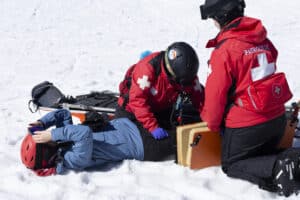
With a structured rehabilitation plan and professional physiotherapy support, getting back on the football pitch in Zurich or the ski slopes in the Alps is not only possible, but can even get you back stronger than before.
This guide shows you what to expect during cruciate ligament rehabilitation and the crucial role that sports physiotherapy plays on your way back.
This article will guide you specifically through the Return to Sport after the cruciate ligament surgery – from the first stress tests to the sports-specific clearance. If you are still in the early recovery phase immediately after the operation, you will find in our detailed Guide to rehabilitation after a cruciate ligament tear the appropriate information about it.
Cruciate ligament rupture - more than just a knee injury
The anterior cruciate ligament is a central stabilizer in the knee joint. It prevents the lower leg from moving forward in relation to the thigh. Typical injury mechanisms are sudden stops, rapid changes of direction or twisting of the knee with the foot fixed - movements that are commonplace in football and skiing.
Typical symptoms of a tear in the anterior cruciate ligament are instability, swelling, and pain; it is usually surgically replaced with a transplant (e.g., a piece of the patella or thigh tendon) in people who are physically active. However, the operation is only the first step. The actual work begins afterwards: rehabilitation.
Rehabilitation after cruciate ligament rupture - back to sport
The way back: the phases of rehab after cruciate ligament surgery
A successful Cruciate ligament rupture rehab in Zurich follows a clear, phase-based plan. Each phase has specific goals, and the transition to the next only takes place once these have been safely achieved.
Phase 1: Protection and early mobilization (approx. week 1-4)
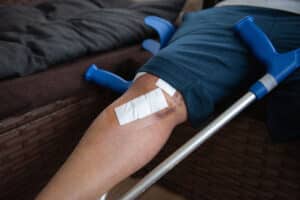
In the first few weeks after the operation, the focus is on wound healing and protecting the new cruciate ligament.
- Goals: Reduce swelling and pain, regain full extension of the knee, reactivate the thigh muscles (quadriceps) and safely master walking on crutches.

- Importance of physiotherapy: Your physiotherapist is your most important companion during this critical phase. Manual lymphatic drainage reduces the swelling. Gentle, passive movement exercises ensure that the joint does not become stiff. We will show you essential initial exercises, such as tensing the thigh while lying down to counteract muscle loss, and guide you to walk correctly on crutches.
Phase 2: Strength and control build-up (approx. week 5-12)
As soon as the initial healing has progressed, the systematic development of the muscles that stabilize the knee begins.
- Goals: Achieve a normal, fluid gait pattern without crutches, build up strength in the leg and trunk muscles and improve coordination and balance (proprioception).
- Importance of physiotherapy: This is the core phase of the Physiotherapy after cruciate ligament surgery. We create an individual training plan with exercises such as squats, lunges and leg presses, paying meticulous attention to correct execution so as not to overload the new ligament. Balance exercises on unstable surfaces train the interaction of nerves and muscles and give your knee back the ability to react safely on uneven surfaces.
Phase 3: Dynamics and sport-specific preparation (approx. months 3-6)
Now it becomes more dynamic. The training is gradually adapted to the loads of your sport.
- Goals: Start of running and jumping training, improvement of speed and agility, introduction of sport-specific movement patterns.
- Importance of physiotherapy: Under our supervision, you will make your first attempts at running in a safe environment. We will introduce you to plyometric training (jumping exercises) to restore the knee's ability to withstand impact. Agility exercises such as quick changes of direction and sideways steps will prepare you specifically for the demands of football or skiing.
Phase 4: Safe return to sport (from approx. month 6-9+)
The final and often most challenging phase is full reintegration into sport.
- Goals: Participation in team training, regaining full confidence in the knee, passing "return-to-sport" tests.
- Importance of physiotherapy: Before you get the green light to return to the court, we carry out a series of standardized tests. These objectively measure strength, jumping height and stability in a side-by-side comparison. Only if there are no more relevant deficits here is a safe return to sport guaranteed. Studies show that the rate of return to the old sporting level for amateur athletes is only around 65 %, which underlines the importance of professionally guided rehabilitation. We will accompany you during your first training sessions and help you to gradually increase your workload.
The mind plays along: The psychological challenge
The road back after a cruciate ligament rupture is not only a physical test, but also an immense mental one. Fear of re-injury, frustration at slow progress and impatience are constant companions. A good physiotherapist is also a mental coach during this time. We help you to set realistic goals, celebrate small successes with you and give you the confidence you need to regain trust in your knee and your body.
Self-help: What you can do yourself between therapy sessions
Strictly follow your individual exercise plan, even on days when you don’t have an appointment with us – continuous, dosed training is the key factor for a good result. Cool the knee after training if necessary, but avoid arbitrary increases in stress outside the discussed phase.
When should you seek medical advice during rehabilitation?
Seek prompt medical or physical therapy evaluation if the knee suddenly swells severely, feels unstable (wobbling), fever occurs, or pain increases instead of decreasing in line with the expected healing process.
Your individual rehab plan at Physio Waidfuss in Zurich
Every athlete and every injury is unique. A standardized plan will not do justice to such a complex injury. If you are looking for a competent Sports physiotherapy in Zurich that accompanies you on your way back, you've come to the right place.
We create a customized, phase- and goal-oriented rehab plan that is tailored to your individual needs and your sport. We work together to ensure that you return to the court not only safely, but also strong and confident.
Take the first step. Contact us for a comprehensive consultation and the creation of your personal rehabilitation plan.
Book your Date online or call us on 044 585 99 49. We look forward to accompanying you on your way back to sport!

Meniscus injury: When the shock absorber in the knee fails
Meniscus injury: When the shock absorber in the knee fails A sudden pulling when turning, a crack in the knee…
Read more
Sharp pain while jogging? How to get the runner's knee (iliotibial band syndrome) under control
The temperatures are rising, the running shoes are laced up, and the first few kilometers along the Limmat are running as if by themselves.…
Read more
After the cruciate ligament rupture: The way back to sport in Zurich
Your path back to sports after a torn ligament: One wrong step, one abrupt turn, a cracking sound...
Read more
Knee injury after accident what to do?
Following an accident resulting in a knee or leg injury – whether a ligament tear, meniscus tear, or fracture – we accompany you...
Read more
Hamstring injury: symptoms, rehabilitation and prevention
Hamstring injuries usually start suddenly: a stabbing pain in the back of the thigh, often…
Read more
Stretching program
Your stretching program Stretching is an essential foundation for your mobility and well-being.
Read more
Bursitis of the knee: causes, symptoms and treatment options
What is knee bursitis? Bursitis, also known as...
Read more
Patella tip syndrome
Patellar tendinopathy: Pain in the knee - Effective treatment at Physiotherapie Waidfuss Patellar tendinopathy is a...
Read more