

Your stretching circle
Self-help: 16 exercises for your stretching program
Shoulder stretching:Sit in the starting position. Place your right arm on your left shoulder and with your left arm, pull the right elbow towards the body. Feel the tension in your right shoulder. To strengthen the stretch, rotate your arm slightly outwards. Repeat this on the other side as well.


Triceps stretch:In the starting position or standing, place your right arm behind your head. The left arm presses the right elbow downward, while the right hand pulls towards the shoulder blade. You will feel a stretch in the triceps. If you look at the left shoulder, you may also notice a pull in the neck area.


Chest expansion:Stand on your side facing the wall, with your leg closest to the wall slightly bent. Your torso and hips also lean towards the wall. Your arm is at a 90-degree angle against the wall, slightly above shoulder height. Turn away from the wall and feel the stretch in the chest and shoulder areas.

Stretching the hand extensors:Extend your palm forward and rotate it inwards; pull back with the other hand on the fingers of the extended hand (see picture) for effective forearm stretching.

Hand flexor stretch: While standing, extend one arm out and turn your hand outwards so that your fingers point towards the body. With the other hand, pull your fingers and thumb towards the head.

Latissimus stretch:Position yourself laterally to the door frame or a post. Press with your lower hand against the upper hand and cross the further leg behind the front leg. You form a long C shape and can vary the intensity of the stretch by applying more pressure or shifting the weight to the rear.

Butt stretch:Sit up straight and place one leg over the other. Hold the upper leg at the ankle and knee. You will now feel a stretch in the groin or on the outside of the thigh. Try to bend forward with a straight back to intensify the stretch.

Front of the thigh:Stand on one leg and grasp the other leg at the ankle in the direction of the groin with your hand. At the same time, tighten your stomach; this will make the stretching in the front thigh more noticeable.

Back of the thigh:Take a step forward and shift your weight onto the back leg; the front leg should only be on the ground with the heel. If necessary, lean on the bent back leg and make sure your spine remains straight.

Calf stretching:Perform this exercise in two variations: one with the leg extended and one with the knee bent (see video). Find a curb or a wall; press the forefoot against the wall and bring the knee towards the wall – with both the leg extended and bent. The third variation in the step position is that the rear leg is in extension.
Adductor stretching:Get on your knees and extend one leg to the side; rest your hands on the ground and make sure to keep your back straight. You can turn the extended leg inwards or outwards to increase the intensity of the stretch.


Hip flexor stretch:Take a step forward; if necessary, hold on to the front with your hands. Make sure your hips and upper body form a line and shift your weight forward—the knee should not extend beyond the toes—to achieve effective hamstring stretching.


Butt stretch:The starting position is the quadruped position: One leg crosses under the other, so that the knee is almost under the chest; the hind leg remains extended and the forehead rests on the palms of the hands. You feel a stretch in the groin as well as laterally on the thigh or lower back.

Front of the thigh:Lie back on the ground again; hold the lower leg with your lower hand and pull the upper leg towards the ankle joint so that the torso and upper legs form a line; feel the stretching in the front thigh – it is important to tighten the deep lower abdominal muscles in this case.

Posterior thigh stretch:Lie down on your back; one leg remains stretched on the ground while you pull the other up with a strap or belt. Feel the tension on the back of the thigh – if you bend the leg slightly, the stretch may become more noticeable in the calf. A personal tip: By turning the foot inwards or outwards, you can vary the intensity.

Quick storage:Lie on your side on the floor; the lower leg is stretched out, the upper leg is over it so that the foot rests in the knee joint of the lower leg. The lower hand rests on the upper knee, while your upper body rotates; try to lay your arm on the floor and remain in this position for some time.

This stretching program not only increases your suppleness, but also improves your mobility in the long term! We recommend actively moving each stretched joint after the stretching exercises - it's like reprogramming. In this way, your brain stores the newly acquired flexibility more effectively.
We will be happy to help you improve your mobility and create an individual stretching program with you. Do not hesitate to contact us.
When should you have a medical or physical therapy consultation before stretching?
Stretching is generally safe – but in the following situations you should have it checked beforehand, rather than trying it yourself:
-
You have one Acute injury (less than 48–72 hours old) with swelling or severe pain.
-
You feel a stretch when you stretch Numbness, tingling, or radiating pain in the arm or leg.
-
the pain when stretching increases instead of subsiding.
-
there is a medical diagnosis (e.g., herniated disc, tendon tear) that should first be clarified.
Not sure which exercises are suitable for you? In our manuel therapy we will create a customized stretching and mobility program for you.
Fall Prevention & Balance Training Zurich | Physio Waidfuss
Fall prevention in old age: Why strength alone isn’t enough (And what your eyes have to do with it) Do you know that feeling?…
Return to Sport
Return to Sport: Why the calendar lies (And when you’re really ready) The Return to Sport is probably the most important…
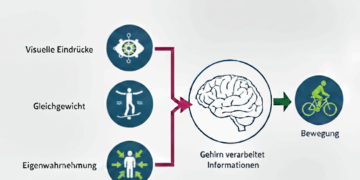
Neuro-focused training in physiotherapy
What is neuroathletic training (NAT)? Neuroathletic training (NAT) is a modern and holistic therapeutic approach...
Physiotherapy for seniors Zurich Wipkingen
Active and pain-free in old age: Our physiotherapy for seniors in Zurich Wipkingen helps with osteoarthritis, back pain...

Sprained foot
Holistic treatment of ankle sprains: Effectively counteracting sprains of the foot Ankle sprains,...
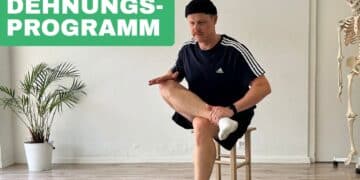
Stretching program
Your stretching program Stretching is an essential foundation for your mobility and well-being.
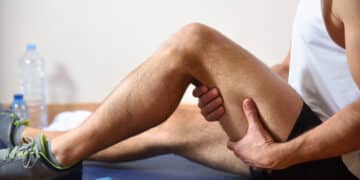
Patience after injuries
Please be patient and do targeted training after injuries If you have sustained an injury, please...

Workplace ergonomics - Do you work at a computer?
Ergonomics at the workplace: effective measures against back pain and neck tension You’re probably familiar with…