

Neuroplasticity and movement training
Progress in the treatment of myofascial pain syndromes
Myofascial pain syndromes are a common problem in physical therapy. Recent studies have investigated the effectiveness of various approaches. In particular, the combination of Trigger Point Therapy (IMTT®) and Dry needling has shown promising results. A randomized controlled trial confirmed that these methods together achieve a significant reduction in pain intensity as well as an improvement in muscle mobility. The research emphasizes the importance of creating individualized treatment plans that utilize such combined approaches to achieve optimal results.
Neuroplasticity and movement training
A major focus of current research is on neuroplasticity - the brain's ability to change and adapt. New findings show that specific exercise training can have significant neuroplastic effects that have a positive impact on rehabilitation after injury. A study published in a leading physiotherapy journal confirms that intensive, targeted training can strengthen neural connections and thus accelerate the recovery of motor functions.
This is where Lars Lienhard's Neuroathletic Training (NAT) comes into play, utilizing these principles of neuroplasticity. Lars Lienhard, a pioneer in this field, describes NAT as an approach that considers the central nervous system as an integral part of training. His methods are used both in elite sport and in rehabilitation. The training aims to activate specific neuronal networks and improve the efficiency of movement patterns.
The application of NAT in rehabilitation can be particularly beneficial after neurological injuries. For example, patients after a stroke or spinal cord injury can benefit from exercises specifically designed to promote neuronal plasticity and restore motor functions. Through targeted exercises that combine sensory and motor stimuli, the brain can develop more durable and better organized neural connections.
In competitive sports, athletes use NAT to increase their movement efficiency and improve their athletic performance. By training specialized neural networks, athletes can react faster and more precisely to changing game situations. These findings from sport offer valuable insights for rehabilitative physiotherapy, as they highlight the importance of integrating the central nervous system into training planning.
Neuroplasticity in everyday life
In addition to its applications in rehabilitation and sports, neuroplasticity also has a significant impact on our daily lives. The brain’s ability to change through experiences and learning processes enables us to learn new skills, adapt to changed life circumstances, and optimize cognitive functions. An example of this is the reacquisition of simple motor skills after an injury or the loss of a skill when it is not regularly practiced.
Activities such as learning a new language, playing a musical instrument or even practicing a new sport can promote neuronal plasticity and strengthen cognitive functions. This adaptability of the brain ensures that we can continue to learn and develop throughout our lives.
Use of technology in physiotherapy
Technological innovations are playing an increasingly important role in physiotherapy. Current research is focusing on the use of wearables and telemedicine to monitor and improve patient care. Wearables such as sensors and tracking devices can help analyze movement patterns and provide real-time feedback. A study has shown that patients who use wearables show higher compliance with home exercises and make faster progress as a result. Telemedicine also enables continuous care, especially for patients in remote areas or with limited mobility.
Evidence-based lymphatic drainage
Manual lymphatic drainage is a proven method for supporting lymph flow and reducing swelling. Recent studies have investigated how this technique can be combined with other therapies to increase its effectiveness. A systematic review found that lymphatic drainage combined with compression therapy and targeted exercise led to better results in terms of swelling reduction and functional improvement. This shows the importance of a holistic approach that integrates several treatment methods.
Prevention and management of chronic pain
Chronic pain is a complex and widespread problem.  Current research emphasizes the importance of a multidisciplinary approach to pain management. A recently published study showed that patients who combined physiotherapy interventions with psychological support and nutritional therapy reported significant improvements in pain relief and quality of life. This highlights the need to take a holistic approach to chronic pain and integrate different disciplines.
Self-help: Supporting rehabilitation in everyday life
-
Stick consistently to the home exercise program prescribed by your physical therapy – consistency is crucial for rehabilitation success.
-
Intentionally incorporate small exercise sessions into your daily routine, rather than just waiting for therapy appointments.
-
Make sure you get enough sleep and rest – your nervous system also needs time to adapt to new exercise patterns.
When should you have a medical or physical therapy consultation?
Report it promptly if pain during rehabilitation worsens instead of improving, new symptoms such as numbness or weakness occur, or the progress completely stagnates over several weeks.
Book an appointment online now
Conclusion
The latest research findings on Rehabilitation Physiotherapy Zurich open up many new possibilities for the treatment of our patients. From the integration of technological advancements and the utilization of neuroplasticity to multidisciplinary approaches in pain management, the studies demonstrate the importance of using evidence-based methods and creating individualized treatment plans. Particularly noteworthy are the advancements in the field of neuroplasticity, supported by methods such as neuroathletic training, which can be groundbreaking in both sports and rehabilitation. These developments underline our commitment to always staying at the cutting edge of science and offering our patients the best possible care.
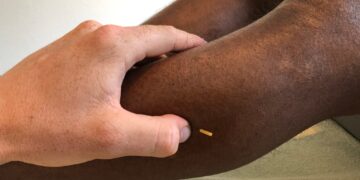
Dry Needling in Zurich Wipkingen
Dry Needling Zürich Wipkingen: How a small needle releases persistent tension – you’ll probably know the feeling…
Read more
Shoulder pain: causes, treatment, exercises
What is shoulder pain and how does it develop? Shoulder pain is one of the most common complaints of the musculoskeletal system...
Read more
Back pain: understanding and solutions
Back pain: can have many causes Back pain is one of the most common complaints that affect people....
Read more
Lumbago - What really helps to relieve the pain
Lumbago - Understanding lower back pain: Important information for you Imagine you are lifting...
Read more