
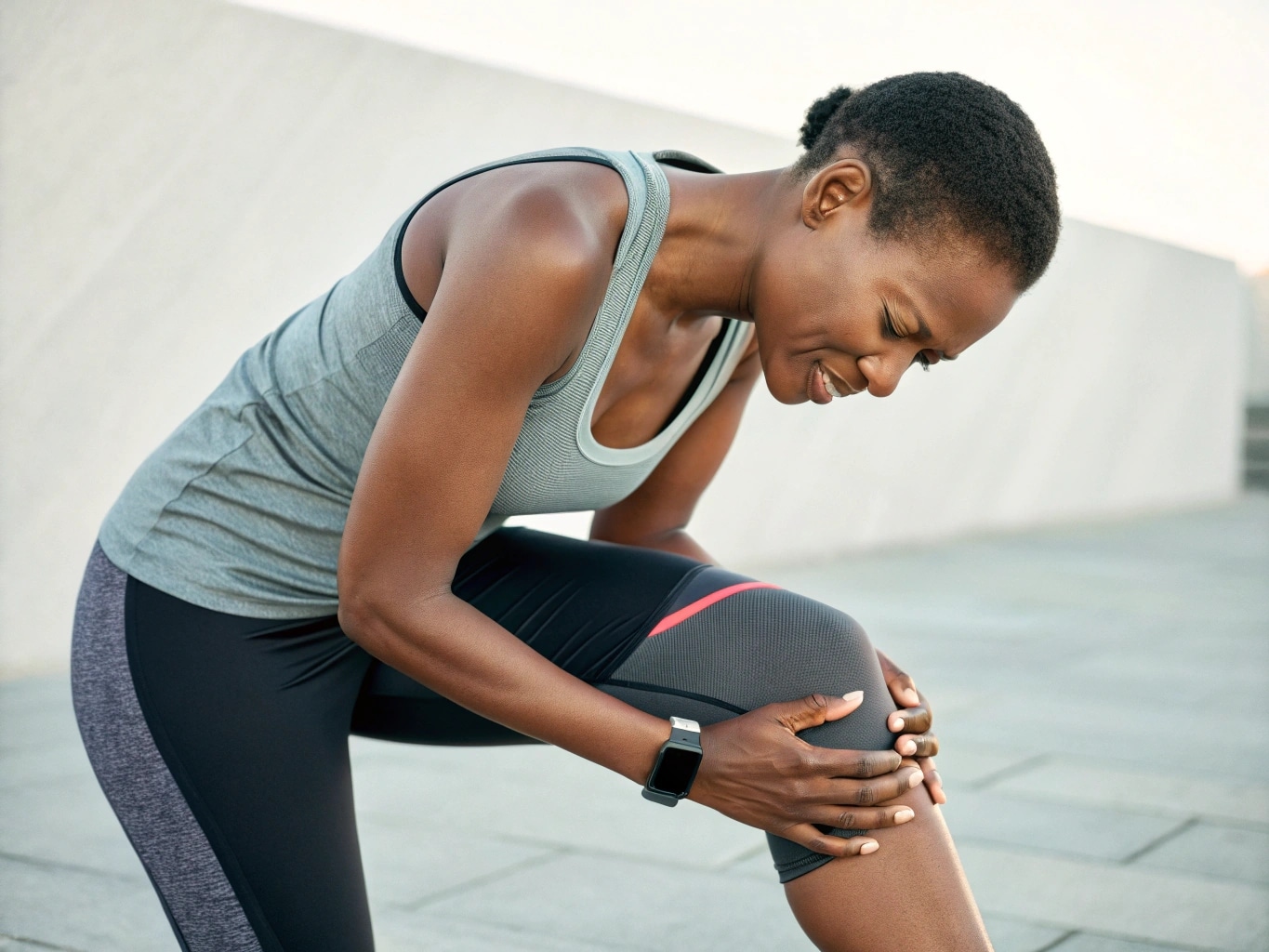
Causes of bursitis in the knee
Bursitis in the knee can be triggered by various factors:
- Repetitive strain and overuse: Frequent kneeling, running, jumping or working on hard surfaces exposes the bursa to constant pressure and can lead to irritation and inflammation.
- Direct injuries: Shocks, Falls or direct impact to the knee can damage the bursae and trigger inflammation. Such injuries frequently occur in sports such as soccer, basketball, or skiing.
- Infections: In rare cases, bursitis can be caused by an infection. Bacteria can enter the bursa through open wounds or skin lesions and trigger an infection. This form of bursitis is known as septic bursitis.
-
 Rheumatic diseases: People with rheumatic diseases such as rheumatoid arthritis or gout have an increased risk of bursitis. The inflammatory processes of these diseases can affect the bursa and lead to inflammation.
 Rheumatic diseases: People with rheumatic diseases such as rheumatoid arthritis or gout have an increased risk of bursitis. The inflammatory processes of these diseases can affect the bursa and lead to inflammation.
- Malpositions and anatomical features: Misalignments of the knee joint or differences in leg length can lead to uneven loading of the knee, which places unilateral stress on the bursae and can cause inflammation.
- Overweight: Being overweight increases the pressure on the joints, especially the knee joint. This additional pressure can overload the bursa and lead to inflammation.
- Hypothermia and insufficient warm-up: Proper preparation is particularly important for sporting activities. Hypothermic muscles and insufficient warm-up can make the tendons and bursae more susceptible to injury and inflammation.
Forms and symptoms of knee bursitis
There are various forms of bursitis in the knee. The most common include
- Prepatellar bursitis: This form affects the bursa located in front of the kneecap and is often manifested by swelling and pain in the front of the knee.
- Infrapatellar bursitis: This is the inflammation of the bursa below the kneecap. Symptoms include pain and swelling directly under the kneecap.
- Pes-anserinus bursitis: This form affects the bursa on the inside of the knee, where tendons from three muscles attach. Pain and tenderness on the inside of the knee are typical symptoms.
Symptoms of knee bursitis include:
- Swelling and warmth in the affected area: These symptoms are often the first signs of bursitis. The swelling may be visible and palpable, and the increased blood flow generates heat.
- Pain on movement or pressure: The affected bursae are very sensitive and any movement or strain on the knee can cause pain. This pain can be sharp or dull and persistent.
- Limited mobility: The inflammation and the associated pain can significantly restrict the mobility of the knee, which leads to difficulties in everyday activities.
- Redness and a feeling of stiffness: In addition to swelling and warmth, reddening of the skin over the affected bursa may also occur. A feeling of stiffness is caused by the inflammation-related changes in the tissue and the pressure in the bursa.
Treatment options for bursitis of the knee
The treatment of knee bursitis begins with a careful examination and diagnosis by our team. We use the following therapeutic approaches:
- Individual treatment plans: Following a comprehensive evaluation and diagnosis by our experts, you will receive a customized treatment plan tailored specifically to your needs and symptoms.
- Trigger point therapy IMTT®: We use this method to specifically relieve pain and release tension in the surrounding muscles. This therapy is particularly effective for myofascial pain syndromes.
- Dry needling: This technique helps with chronic complaints and stubborn muscle tension in particular by inserting fine needles into the triggering muscle fibers.
- Lymphatic drainage: This manual technique supports and helps the lymph flow, Reduce swelling. The gentle, rhythmic movements promote the drainage of lymphatic fluid and relieve the affected knee.
- Physiotherapeutic exercises: We offer a variety of individually tailored exercises to strengthen the muscles, improve mobility and stabilize balance. These exercises also help to prevent re-inflammation.
- Palpation: We use targeted examination techniques to feel for possible problem areas and develop precise therapeutic approaches based on this, which help to relieve pain and restore function.
- Joint centering: Through specific techniques for joint centering, we ensure that the knee joint is optimally aligned. This reduces pressure on the synovial fluid and promotes even load distribution.
- Targeted, moderate training: An individually tailored training program helps to strengthen the surrounding muscles and improve mobility without overloading the bursa. Moderate training supports recovery and prevents re-inflammation.
- Posture training: Good posture relieves pressure on the joints and can help to prevent bursitis. We train you in correct posture to optimize the position of your body and minimize strain.
- Foot and ankle mobilization and stabilization: A stable base is crucial for the health of the knee joint. We work specifically on the mobilization and stabilization of the feet and ankles to ensure optimal movement dynamics throughout the entire leg.
Self-help: What you can do yourself
- Conservation and cooling: Avoid kneeling activities and cool the knee several times a day for 15-20 minutes.
- Elevate: Elevate the leg regularly to reduce the swelling.
- Pressure relief: Use a soft pad or knee protector when kneeling to avoid re-irritation.
When should you see a doctor or go to physical therapy?
Seek prompt medical evaluation if the knee is severely red, warm, or swollen, if fever occurs, or if the pain does not subside within a few days despite rest – these may be signs of a bacterial infection.
Bursitis in other areas of the body
In addition to the knee, bursitis can also affect other areas of the body, such as the shoulder. Particularly common is the Bursitis in the shoulderwhich leads to pain and restricted movement in the shoulder area. This is often caused by overuse or injury. The targeted physiotherapy treatment at Physiotherapie Waidfuss also includes various methods to restore mobility and function and relieve pain.
Our patient-centered approach
 At Physiotherapie Waidfuss in Zurich, we place great emphasis on professional, trustworthy, and caring care. We provide clear and understandable information about your treatment options and support you on the path to pain-free mobility. Our experienced team is always on hand to assist you and actively accompany you throughout the entire healing process.
Contact us - Knee pain physiotherapy Zurich
If you are under Knee pain or suffer from other symptoms that indicate bursitis, do not hesitate to contact us. Book an appointment at Physiotherapie Waidfuss today and let our experienced therapists provide you with professional treatment.
Your health is our concern - we look forward to helping you!

Meniscus injury: When the shock absorber in the knee fails
Meniscus injury: When the shock absorber in the knee fails A sudden pulling when turning, a crack in the knee…
Read further
Sharp pain while jogging? How to get the runner's knee (iliotibial band syndrome) under control
The temperatures are rising, the running shoes are laced up, and the first few kilometers along the Limmat are running as if by themselves.…
Read further
After the cruciate ligament rupture: The way back to sport in Zurich
Your path back to sports after a torn ligament: One wrong step, one abrupt turn, a cracking sound...
Read further
Knee injury after accident what to do?
Following an accident resulting in a knee or leg injury – whether a ligament tear, meniscus tear, or fracture – we accompany you...
Read further
Hamstring injury: symptoms, rehabilitation and prevention
Hamstring injuries usually start suddenly: a stabbing pain in the back of the thigh, often…
Read further
Stretching program
Your stretching program Stretching is an essential foundation for your mobility and well-being.
Read further
Bursitis of the knee: causes, symptoms and treatment options
What is knee bursitis? Bursitis, also known as...
Read further
Patella tip syndrome
Patellar tendinopathy: Pain in the knee - Effective treatment at Physiotherapie Waidfuss Patellar tendinopathy is a...
Read further
Knee pain – Why it occurs and how you can relieve it
Everything you need to know about knee pain: Causes and treatment options Knee pain is a common...
Read further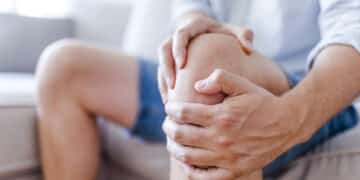
Arthrosis – What you should know about the joint disease
What is osteoarthritis? Osteoarthritis is a widespread degenerative joint disease caused by the wear and tear of the cartilage tissue…
Read further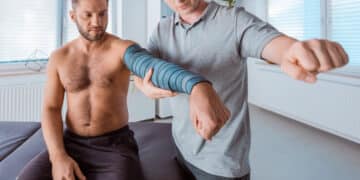
Flossing for scar treatment: Innovative, effective and supportive
Have you ever heard of flossing? This innovative physiotherapy technique is becoming increasingly popular,...
Read further